How Long Does a Composite Deck Last in Springfield, Missouri's Climate?
Key Takeaways
- Composite decks typically last 25 to 30 years in Springfield, Missouri's climate, which is longer than pressure-treated wood decks that usually last 15 to 20 years.
- Missouri's humid summers and fluctuating winter temperatures create specific challenges that affect composite deck performance, but quality materials and proper installation help minimize damage.
- Maintenance matters, even with composite. Regular cleaning and prompt attention to debris, mold, or mildew can extend your deck's lifespan significantly.
- Installation quality directly impacts how well your composite deck handles freeze-thaw cycles and moisture exposure common in the region.
- The upfront cost of composite is higher than wood, but the reduced maintenance and longer lifespan can make it a better long-term investment for most homeowners.
Table of Contents
- Introduction
- What Is a Composite Deck and How Does It Differ From Wood?
- How Long Do Composite Decks Last in Springfield's Climate?
- Factors That Affect Composite Deck Lifespan
- How Springfield's Weather Impacts Your Deck
- Maintenance Tips to Extend Your Composite Deck's Life
- Signs Your Composite Deck May Need Repair
- Composite Decks vs. Wood Decks: A Lifespan Comparison
- Conclusion
- Frequently Asked Questions
Introduction
Composite decks in Springfield, Missouri typically last between 25 and 30 years, which is significantly longer than traditional wood decks in the same climate. The reason comes down to how composite materials handle the region's specific weather conditions - warm, humid summers followed by cold, sometimes freezing winters.
If you're thinking about building a deck or replacing an aging one, understanding how long your investment will actually last matters. This guide breaks down what affects composite deck durability in Springfield's climate, what maintenance actually helps, and how it compares to wood as an option. By the end, you'll have a clearer sense of what to expect and how to protect your outdoor space.
What Is a Composite Deck and How Does It Differ From Wood?
Composite decking is made from a blend of wood fibers and plastic. The wood provides a natural look and feel, while the plastic protects against the main things that destroy wood decks: moisture absorption, rot, and insect damage.
This blend makes a real difference. Wood decks soak up water like a sponge, especially during Springfield's humid summers. That moisture gets trapped, leading to swelling, warping, and eventually rot. When you choose composite deck materials, they resist moisture the same way, so the material resists these problems much better.
You'll also notice that composite doesn't need staining or sealing every few years like wood does. It comes in dozens of colors and finishes that hold up over time. The trade-off is that composite costs more upfront - sometimes 50% to 100% more than pressure-treated wood. But spread that cost over 25 to 30 years, and the math changes.
How Long Do Composite Decks Last in Springfield's Climate?
Most composite decks built in Springfield last 25 to 30 years. Some manufacturers claim even longer, but that's based on ideal conditions, not real-world Missouri weather.
Why this timeline? Composite doesn't have a true lifespan the way wood does. It doesn't rot or get eaten by termites, but it does fade, get surface stains, and can develop cracks or splintering if not installed properly or if materials are cut corners on.
The 25 to 30 year range assumes you're using quality composite materials, it was installed correctly, and you're doing basic maintenance. If you skip maintenance or if the deck was installed poorly, you might see problems earlier. Conversely, if you take care of it well, your deck might look good and function properly even past 30 years - it just may not look brand new.
Factors That Affect Composite Deck Lifespan
Material Quality
Not all composite decking is the same. Higher-end brands use better plastic formulations that resist UV fading and moisture better. Cheaper composites fade faster and can degrade more quickly.
The wood fiber content matters too. More wood content means more natural look but slightly less durability. Brands that blend materials carefully tend to perform better than those trying to cut costs.
Installation Quality
How your deck gets built affects how long it lasts, period. Poor installation - like incorrect spacing between boards, inadequate support structure, or shortcuts with fasteners - means your deck will develop problems faster.
Proper installation accounts for expansion and contraction, allows water to drain instead of pooling, and ensures the deck can handle seasonal stress. This is one area where cutting corners saves money now but costs you later.
Climate Stress
Springfield's weather is no joke for outdoor structures. You get hot, humid summers that can reach the 90s, then winters that dip below freezing. That freeze-thaw cycle is tough on decking materials. Water gets into tiny cracks, freezes, expands, and splits the material further.
The humidity also creates conditions for mold and mildew, which aren't just cosmetic problems - they can hold moisture against your deck.
Maintenance and Care
This matters more than some people think. Keeping leaves and debris off your deck prevents moisture from sitting in one spot. Cleaning mold or mildew when it appears stops it from becoming a bigger problem. Even basic care extends your deck's life noticeably.
How Springfield's Weather Impacts Your Deck
Springfield's climate sits right in the middle of some real challenges for outdoor structures. Summer humidity means moisture is constant. Winter freezes happen regularly but not consistently - you might get several freeze-thaw cycles in a single season, which is harder on materials than consistent cold.
Spring and fall bring heavy rains. While composite handles water better than wood, standing water or poor drainage around your deck can still cause issues. If your deck doesn't slope slightly for drainage or if the ground beneath it stays wet, you're asking for trouble.
The sun is another factor. Springfield gets plenty of it, and UV rays fade and degrade composite over time. Sun exposure is unavoidable, but it's one reason quality composite materials matter - they're engineered to fade more slowly.

Maintenance Tips to Extend Your Composite Deck's Life
Regular Cleaning
Clean your deck a couple times a year, or more often if you notice buildup. Leaves, dirt, and organic matter trap moisture and create an environment for mold.
Use a gentle approach - a soft brush and mild soap work fine. Avoid pressure washers above 1500 PSI because they can damage the surface. Just rinse with the garden hose when you're done.
Watch for Mold and Mildew
Mold looks like dark spots or blotchy areas on your deck. It's more common in shaded areas or under trees where moisture lingers.
If you see it, clean it quickly with a deck cleaner formulated for composite. Don't let it sit - it can stain permanently and spreads over time.
Trim Trees and Improve Drainage
Remove branches that hang over your deck. Less shade means faster drying after rain. Better drainage around the deck's perimeter also helps water move away instead of sitting underneath.
Inspect and Address Problems Early
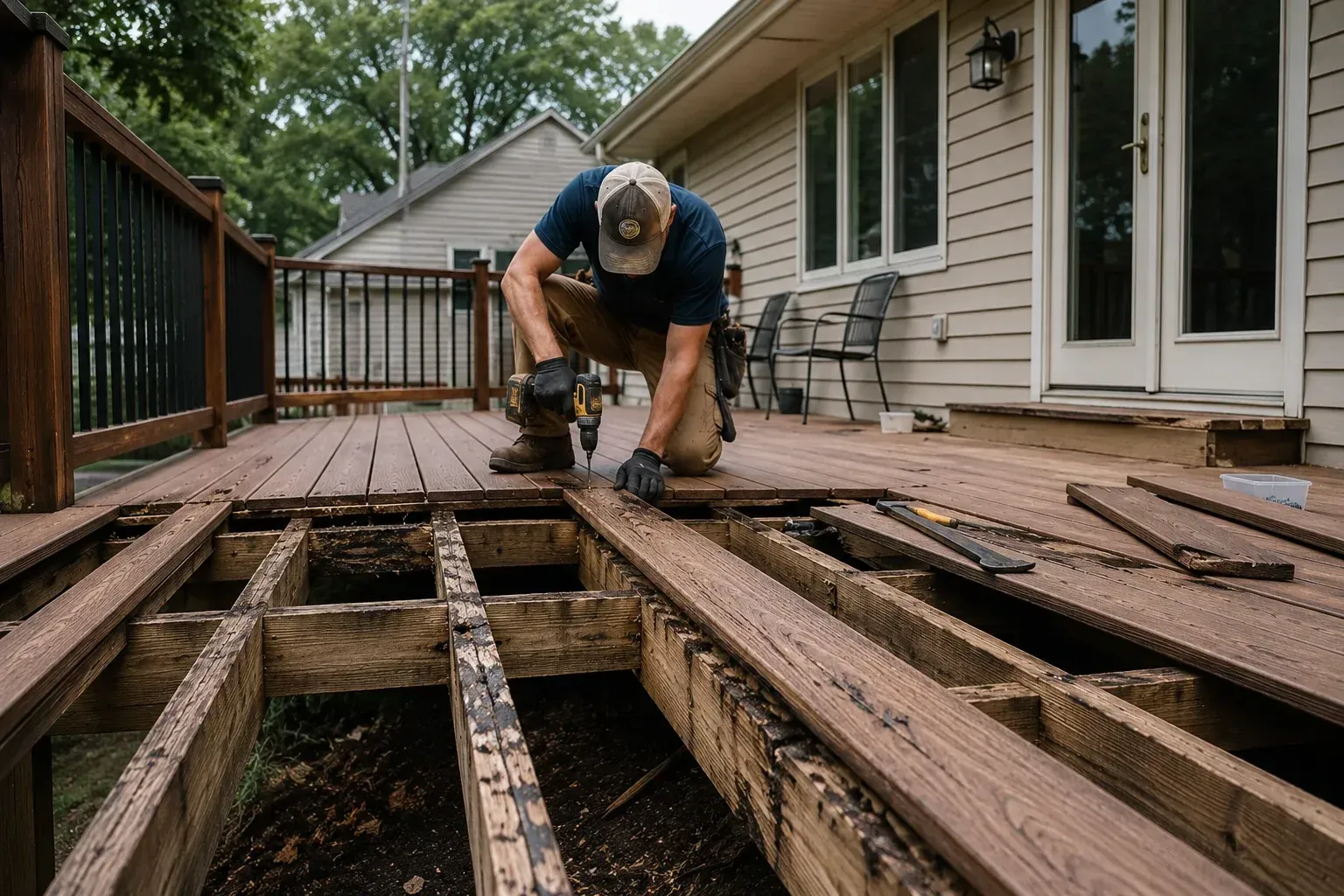
Walk your deck and look for cracks, splintering, or soft spots. Small problems are easier to fix than big ones. If you spot something, don't ignore it hoping it goes away.
Signs Your Composite Deck May Need Repair
Watch for these warning signs that your deck might need professional attention:
- Boards that are visibly warped, cracked, or splintered
- Soft spots that feel spongy when you walk on them
- Fasteners that are raised or sticking up
- Excessive staining or discoloration that doesn't clean off
- Boards that are separating from their supports
- Railings that feel loose or unstable
Some of these problems are cosmetic and don't affect function. Others, like soft spots or loose railings, are safety issues that need fixing. If you're unsure, it's worth getting a professional to assess the situation. Deck repair services can help determine whether something is a quick fix or a sign of bigger structural concerns.
Composite Decks vs. Wood Decks: A Lifespan Comparison
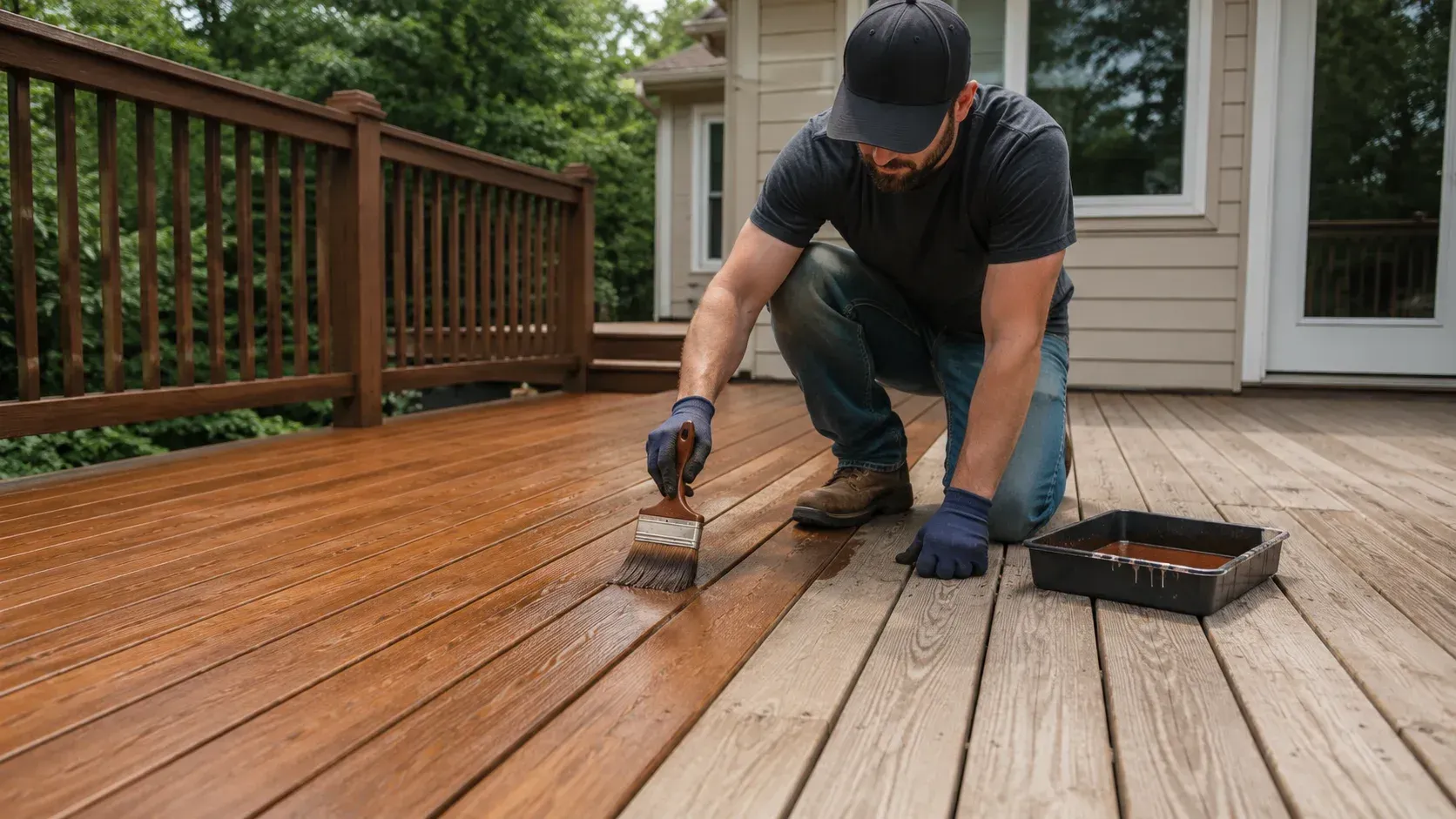
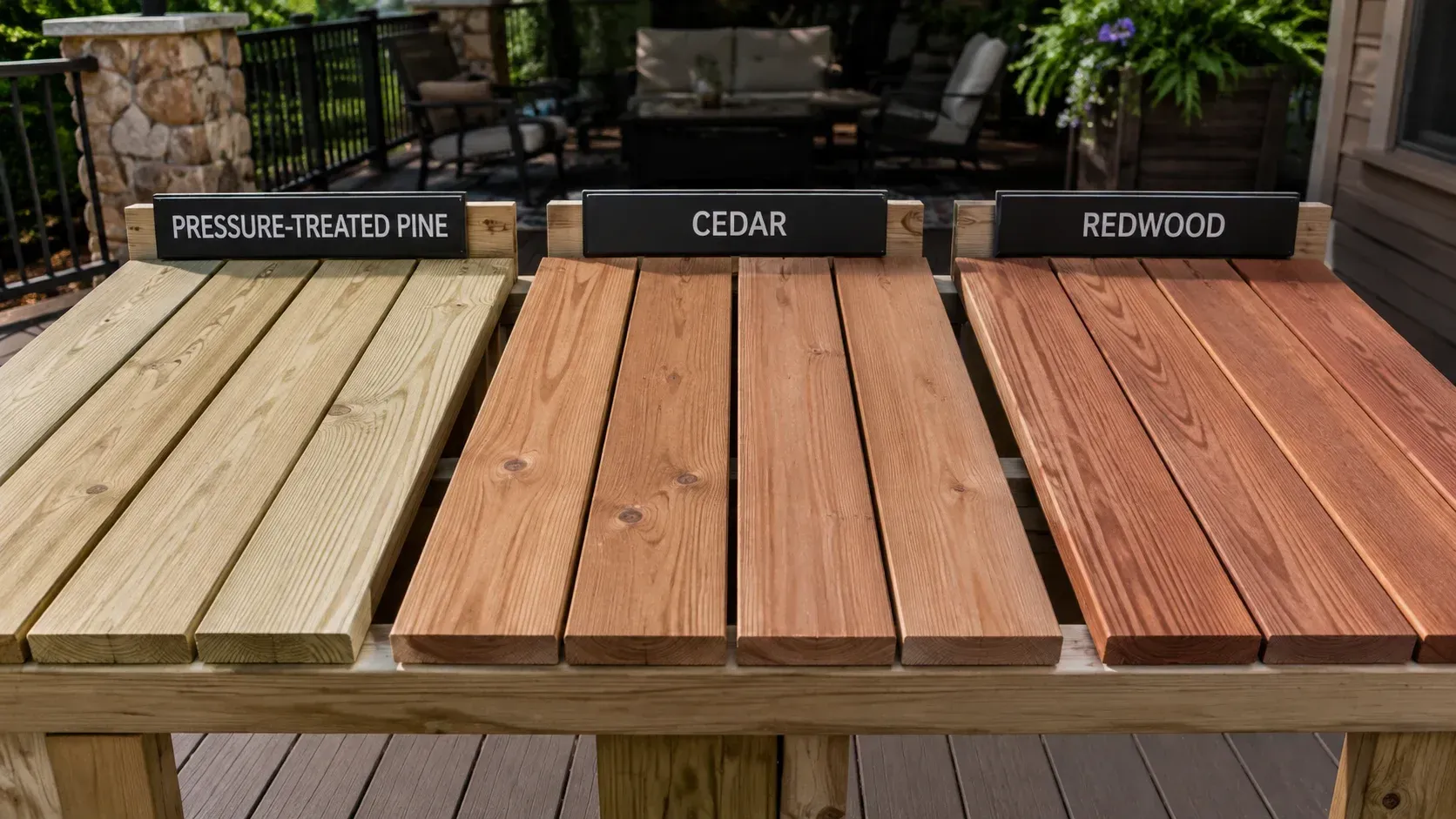
When you compare wood decks in Springfield, you're looking at a typical lifespan of 15 to 20 years, sometimes less if maintenance is neglected. You need to seal or stain them every two to three years, which is work and expense that adds up.
By year 20, wood decks often show their age - fading, splitting, and sometimes areas of soft wood where rot is beginning. At that point, repair becomes replacement.
Composite decks cost more to build but age differently. By year 20, a well-maintained composite deck still looks decent and functions well. You might be cleaning mold more often, and the color may have faded some, but you're not facing rot or major structural damage.
Over 25 to 30 years, the total cost of ownership - materials plus maintenance plus eventual replacement - often favors composite, especially in a climate like Springfield's where moisture is such a factor.
The choice isn't just about lifespan. Some people prefer the look of real wood, and that's valid. Others prefer the low maintenance of composite. Both are reasonable choices - you just need to understand what you're getting into with each.
Conclusion
Composite decks last 25 to 30 years in Springfield, Missouri, making them a durable choice for homeowners looking for an outdoor living space that will hold up through the region's specific weather challenges. That timeframe assumes decent materials, proper installation, and regular but basic maintenance.
Missouri's humid summers and freeze-thaw winters create real stress on deck materials, but composite's resistance to moisture and rot gives it an advantage over traditional wood in this climate. The higher upfront cost is offset by lower maintenance and longer life, though that calculation changes depending on your priorities and budget.
The bottom line is this: how long your composite deck lasts depends on who builds it, what materials they use, and how you care for it afterward. Cheap composite installed poorly will disappoint you. Quality composite installed right and maintained reasonably will serve you well for decades.
If you're considering composite decking for your Springfield-area home, take time to understand what you're buying, who's building it, and what maintenance actually helps. That approach will serve you better than chasing the cheapest option or the longest manufacturer claim. Looking at completed deck projects in your area can give you a real sense of what different materials and approaches look like after time and use.
Next Steps
If you're exploring composite deck options for your home, talking with someone who understands Springfield's climate and has experience building in the region can help clarify what approach makes sense for your situation. Whether you're starting from scratch or evaluating repairs to an existing deck, getting clear information helps you make a decision you'll feel good about.
Frequently Asked Questions
How often do I need to clean a composite deck in Springfield?
A couple of times a year is standard maintenance. If your deck's in a shaded area or under trees, you might clean it more often to prevent mold buildup. After heavy rain or during fall when leaves are dropping, a quick cleanup prevents moisture from sitting on the surface.
Can composite decks handle Springfield's freeze-thaw cycles?
Yes, composite handles freeze-thaw better than wood because it doesn't absorb water and swell the way wood does. However, the cycles still create stress on any deck material. Proper installation with good drainage helps your composite deck weather these seasonal changes without developing cracks or warping.
Is composite decking better than wood for Missouri's climate?
Composite has advantages in Missouri's humid, freeze-thaw environment. It resists moisture, rot, and insect damage better than wood. Wood requires more maintenance - sealing every few years - and has a shorter lifespan. That said, wood has its own appeal, and the choice depends on your priorities around maintenance, budget, and aesthetics.
What maintenance does a composite deck really need?
Basic cleaning with a soft brush and mild soap a couple times a year. Watch for mold, especially in shaded areas, and clean it quickly if it appears. Keep debris cleared off the deck. That's honestly most of it. You don't need to seal, stain, or power wash aggressively the way you do with wood.
How can I tell if my composite deck needs repairs?
Look for cracks, splintering, soft spots, raised fasteners, or boards that are separating from their supports. Some staining and fading is normal over time. If you're noticing structural issues like soft spots or loose railings, those need professional attention. For cosmetic concerns, assess whether they bother you enough to address or if you're comfortable living with them.
Will my composite deck fade over time?
Yes, some fading happens as UV rays hit the surface. Quality composite materials fade more slowly and more evenly than budget options. The fading doesn't affect how well your deck functions - it's mainly cosmetic. If fading bothers you, choosing a color that hides it better can help. Keeping your deck clean also helps it look fresher longer.
What's the real cost difference between composite and wood?
Composite typically costs 50% to 100% more upfront. But factor in maintenance - sealing wood every 2-3 years, replacing boards as they rot, and eventually replacing the entire deck by year 20. Over 25-30 years, composite often comes out ahead financially, though the larger upfront investment is real and matters if your budget is tight right now.
Recent Posts